
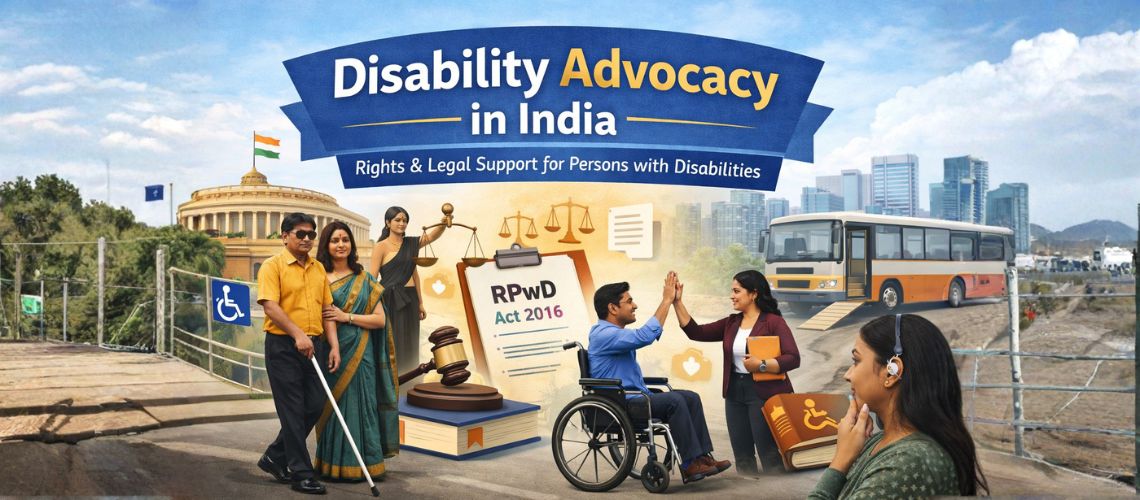
Disability advocacy plays a crucial role in protecting the rights and dignity of persons with disabilities. In India, millions of individuals with disabilities continue to face challenges related to accessibility, discrimination, and a lack of awareness about their legal rights. Disability advocacy focuses on raising awareness, promoting accessibility, and ensuring that laws protecting persons with disabilities are properly implemented.
Over the past decade, disability rights movements and advocacy organizations have helped bring attention to accessibility issues, discrimination in employment and education, and the need for inclusive infrastructure. Through public awareness campaigns, legal support, and policy engagement, disability advocacy in India is helping build a more inclusive society.
Organizations like Disability Activists actively work to strengthen disability rights advocacy by educating individuals about their legal protections and supporting initiatives that promote accessibility and equal opportunities.
What Is Disability Advocacy?
Disability advocacy refers to efforts made by individuals, organizations, and communities to promote and protect the rights of persons with disabilities. The goal of disability advocacy is to ensure that people with disabilities are treated equally and have access to the same opportunities as everyone else.
Advocacy initiatives often focus on areas such as:
- Accessibility in public infrastructure
- Equal access to education and employment
- Protection from discrimination
- Implementation of disability rights laws
- Awareness about disability inclusion
By raising awareness and encouraging accountability, disability advocacy organizations help ensure that the legal protections provided to persons with disabilities are effectively implemented.
Why Disability Advocacy Is Important
Despite the presence of legal protections, persons with disabilities often encounter barriers that limit their participation in society. Disability advocacy helps address these barriers by promoting inclusive policies and holding institutions accountable.
The importance of disability advocacy includes:
- Promoting equal opportunities for persons with disabilities
- Increasing awareness about disability rights
- Encouraging accessibility in public spaces and transportation
- Supporting individuals facing discrimination
- Strengthening enforcement of disability laws
Advocacy initiatives also help individuals understand their rights under disability legislation such as the Rights of Persons with Disabilities Act, 2016.
Types of Disability Advocacy
Disability advocacy can take many forms depending on the issues being addressed and the people involved.
Some of the most common types of advocacy include:
Self-Advocacy
Self-advocacy refers to individuals with disabilities speaking up for their own rights and making decisions about their lives. This form of advocacy empowers individuals to express their needs and demand equal opportunities.
Legal Advocacy
Legal advocacy focuses on protecting disability rights through laws and legal processes. This may include filing complaints, drafting legal notices, or pursuing legal action when discrimination occurs.
If you are unsure about the legal process, you can learn how to file a disability complaint in India.
Policy Advocacy
Policy advocacy involves working with policymakers and institutions to improve laws, policies, and regulations related to disability rights and accessibility.
Community Advocacy
Community advocacy focuses on building awareness and support within communities to create inclusive environments for persons with disabilities.
Role of NGOs in Disability Advocacy in India
Non-governmental organizations play an essential role in strengthening disability advocacy in India. NGOs help individuals understand their legal rights, provide guidance when discrimination occurs, and promote accessibility reforms.
Organizations involved in disability advocacy often work on:
- Legal awareness and education
- Accessibility campaigns
- Disability rights research
- Policy recommendations
- Support for individuals facing discrimination
Disability advocacy initiatives in India are supported by leaders such as Dr. Arvinder Singh, who has been actively involved in promoting accessibility awareness and strengthening the implementation of disability rights laws.
Disability Laws That Support Advocacy in India
India has several legal frameworks designed to protect the rights of persons with disabilities. The most important law is the Rights of Persons with Disabilities Act, 2016 (RPwD Act).
This legislation guarantees important rights such as:
- Equality and non-discrimination
- Accessibility in public infrastructure
- Inclusive education
- Employment opportunities
- Protection from abuse and exploitation
The RPwD Act also provides mechanisms for individuals to report discrimination and accessibility violations. In many cases, legal notices or formal complaints may be required to enforce these rights.
You can learn more about drafting a legal notice under the RPwD Act here: RPwD Act Legal Notice Format
Disability Advocacy and Accessibility Rights
Accessibility is one of the most important areas of disability advocacy. Without accessible infrastructure, persons with disabilities cannot fully participate in education, employment, and community life.
Advocacy efforts in this area focus on ensuring that:
- Public buildings are accessible
- Transportation systems accommodate persons with disabilities
- Digital platforms follow accessibility standards
- Educational institutions provide inclusive learning environments
Organizations working in disability advocacy also monitor accessibility violations and raise awareness about the importance of inclusive design.
If you need guidance regarding accessibility issues or disability rights concerns, you can also explore support resources provided by Disability Activists, a disability support NGO in India that works to promote accessibility and legal awareness.
How Individuals Can Support Disability Advocacy
Everyone can contribute to creating a more inclusive society.
Individuals can support disability advocacy by:
- Raising awareness about disability rights
- Supporting inclusive policies and initiatives
- Encouraging accessibility in workplaces and public spaces
- Participating in disability rights campaigns
- Promoting respectful and inclusive attitudes toward persons with disabilities
By supporting advocacy initiatives, communities can help ensure that persons with disabilities are able to live independently and participate fully in society.
Get Involved in Disability Advocacy
Disability advocacy requires collective effort from individuals, organizations, and communities. By spreading awareness about disability rights and promoting accessibility, it is possible to build a society that values equality and inclusion.
If you want to learn more about disability rights, accessibility laws, or advocacy initiatives, you can reach out to the team at Disability Activists.
For guidance regarding disability rights issues or accessibility concerns, you can contact the organization here: Contact Us
Frequently Asked Questions
Disability advocacy refers to efforts made by individuals and organizations to promote and protect the rights of persons with disabilities, including accessibility, equal opportunities, and protection from discrimination.
Disability advocacy helps raise awareness about the rights of persons with disabilities and ensures that laws protecting these rights are properly implemented.
NGOs help educate individuals about disability rights, provide legal guidance, and advocate for accessibility and inclusive policies.
The Rights of Persons with Disabilities Act, 2016, is the primary legislation protecting disability rights in India.
Disability discrimination can be reported through formal complaints to the State Disability Commissioner or other government authorities responsible for enforcing disability rights laws.