
The rights of persons with disabilities India are rooted in a shift from charity-based thinking to a rights-based legal framework. For decades, disability was treated largely as a welfare issue, where support depended on goodwill rather than entitlement. This approach changed significantly with the introduction of the Rights of Persons with Disabilities Act, 2016, which recognizes persons with disabilities as equal citizens with enforceable rights.
This legislation aligns India with global disability rights standards and emphasizes dignity, autonomy, and full participation in society. Instead of viewing disability as an individual limitation, the law recognizes social, physical, and systemic barriers as the real obstacles. The focus is therefore on removing these barriers rather than “fixing” individuals.
A disability discrimination complaint can be filed against both public and private entities. Importantly, the process is designed to be accessible, allowing individuals or their representatives to raise concerns without requiring complex legal procedures.
By learning how to raise a complaint properly, persons with disabilities and their families can ensure accountability, prevent future violations, and contribute to a more inclusive society. Complaints are not acts of confrontation—they are steps toward justice and systemic improvement.
Persons with disabilities in India are protected under a strong legal framework that recognizes equality, dignity, and non-discrimination as enforceable rights. These rights apply across education, employment, healthcare, housing, transportation, and access to services.
The law makes it clear that denying reasonable accommodation, creating barriers, or treating someone unfairly due to disability is not just unethical—it can invite legal consequences. RPwD Act penalty provisions exist to ensure that rights violations are addressed seriously and that institutions take corrective action.
Importantly, individuals do not need to approach courts immediately in most cases. The system allows complaints to be filed through designated authorities, including disability rights complaint online mechanisms, making access to justice simpler and less intimidating.
This rights-based approach empowers individuals to challenge exclusion and seek redress while encouraging institutions to proactively follow accessibility and inclusion norms.
Not every inconvenience is a legal violation, but many daily experiences do qualify as valid complaints under disability law. A disability discrimination complaint arises when a person is treated unfairly solely because of their disability or when reasonable accommodation is denied.
A disability harassment complaint involves behavior that humiliates, intimidates, or creates a hostile environment for a person with a disability—whether verbal, physical, or systemic.

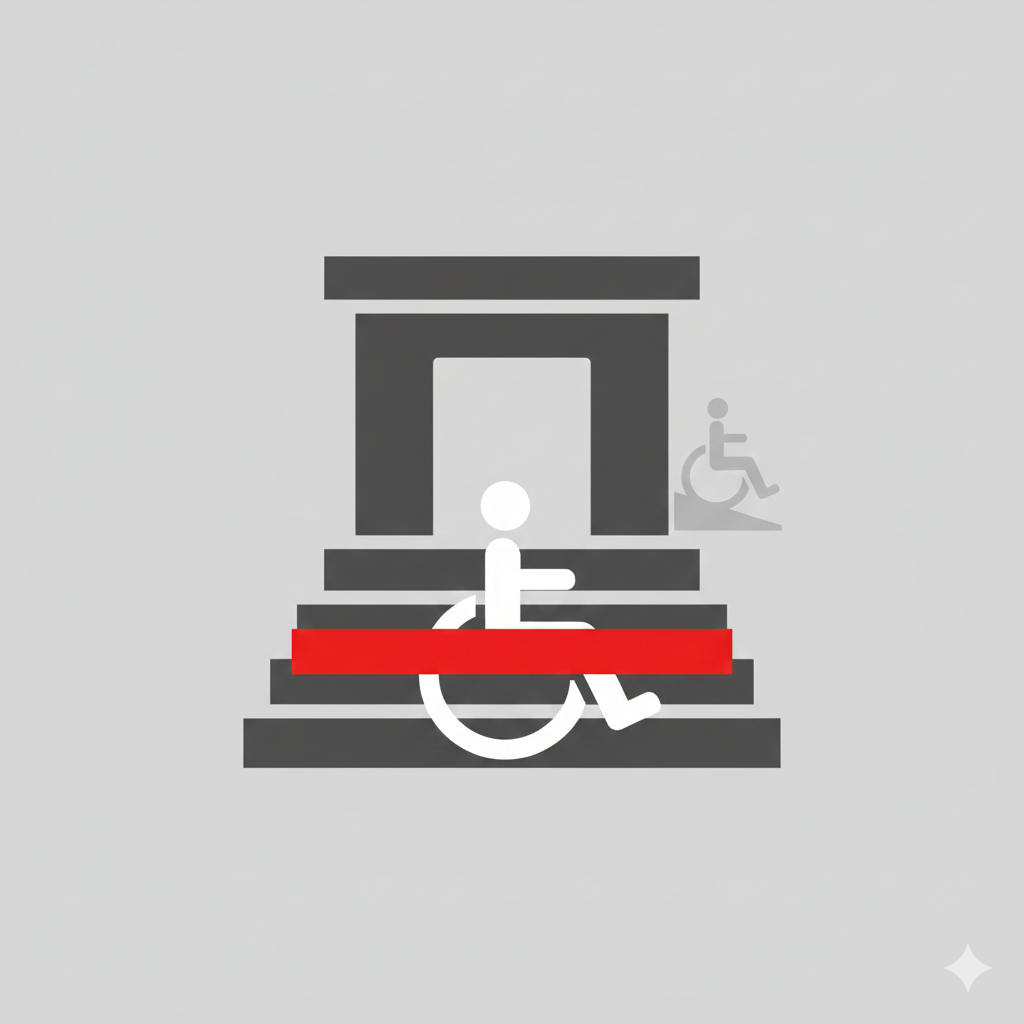
Denial of entry to buildings due to a lack of ramps or lifts

Refusal of employment, promotion, or education opportunities

Harassment or abusive behavior by staff in public services
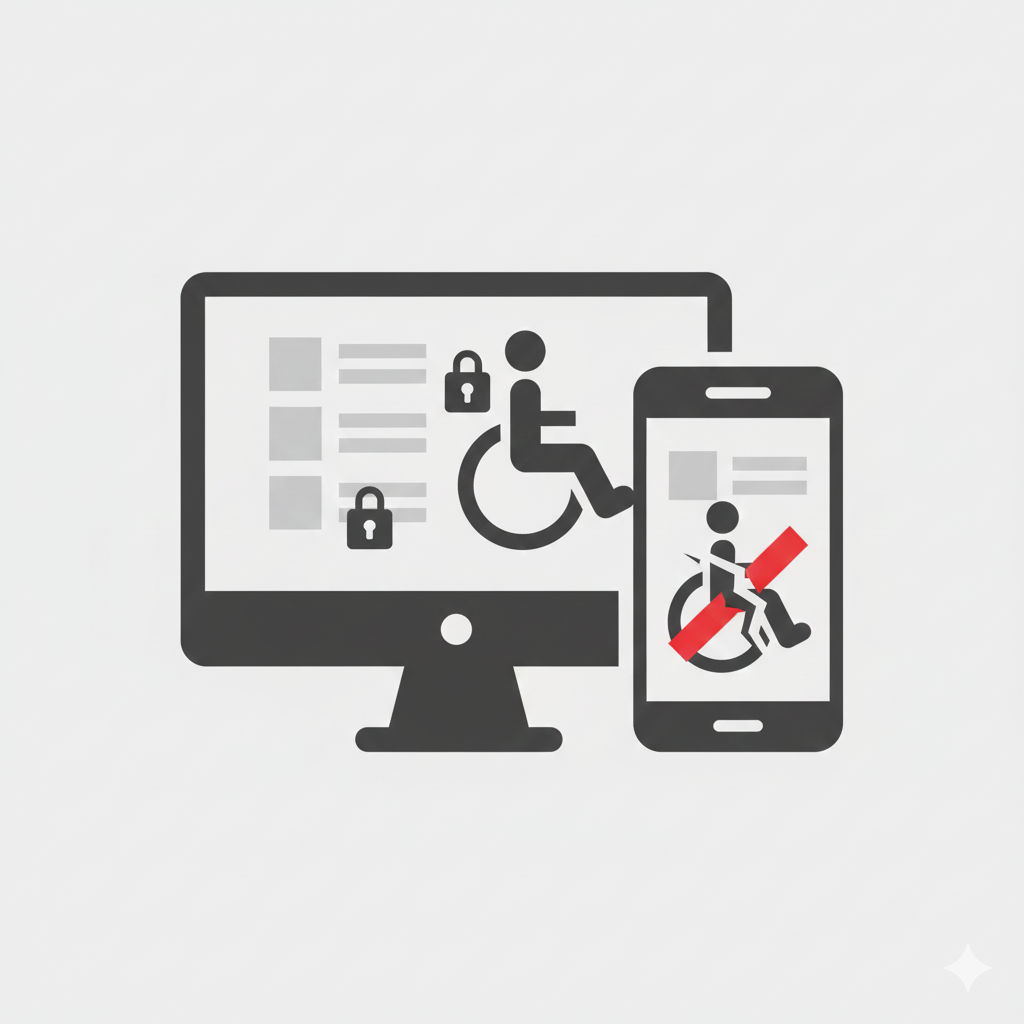
Inaccessible websites, apps, or online forms
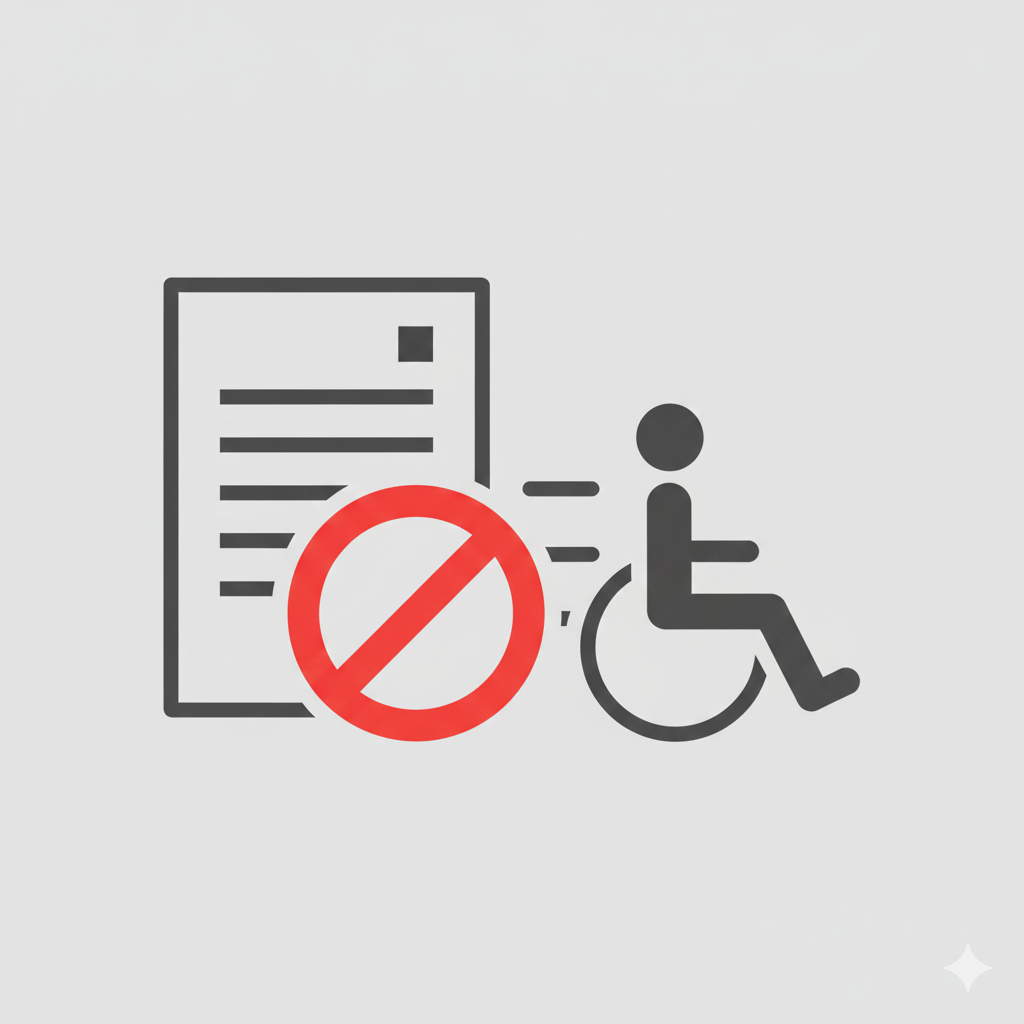
Rejection from examinations, schemes, or benefits due to disability
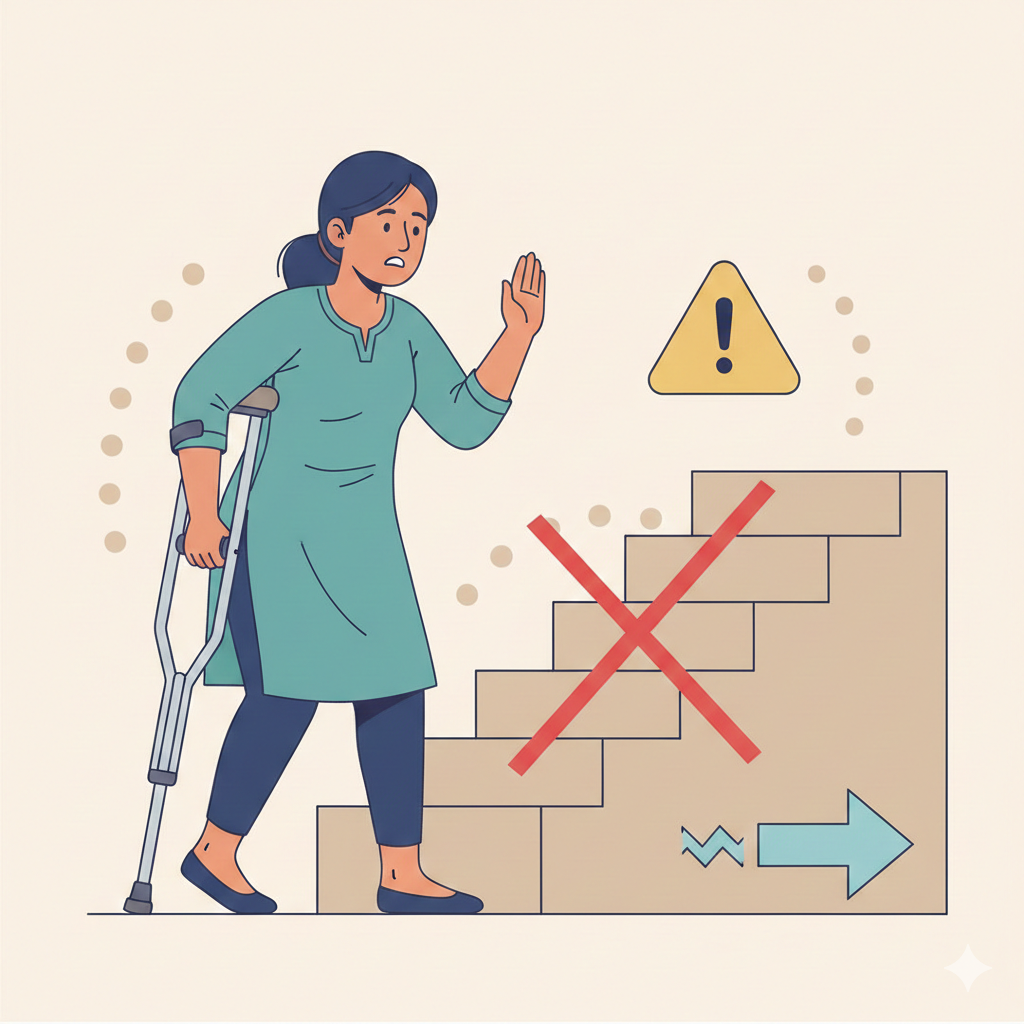
Understanding these scenarios helps individuals identify when legal action is justified and necessary.
Knowing how to file Disability Complaint in India can make the difference between silent suffering and effective resolution. The complaint process under India’s disability rights framework is designed to be accessible, structured, and supportive, allowing individuals or their representatives to seek redress without complex legal procedures.

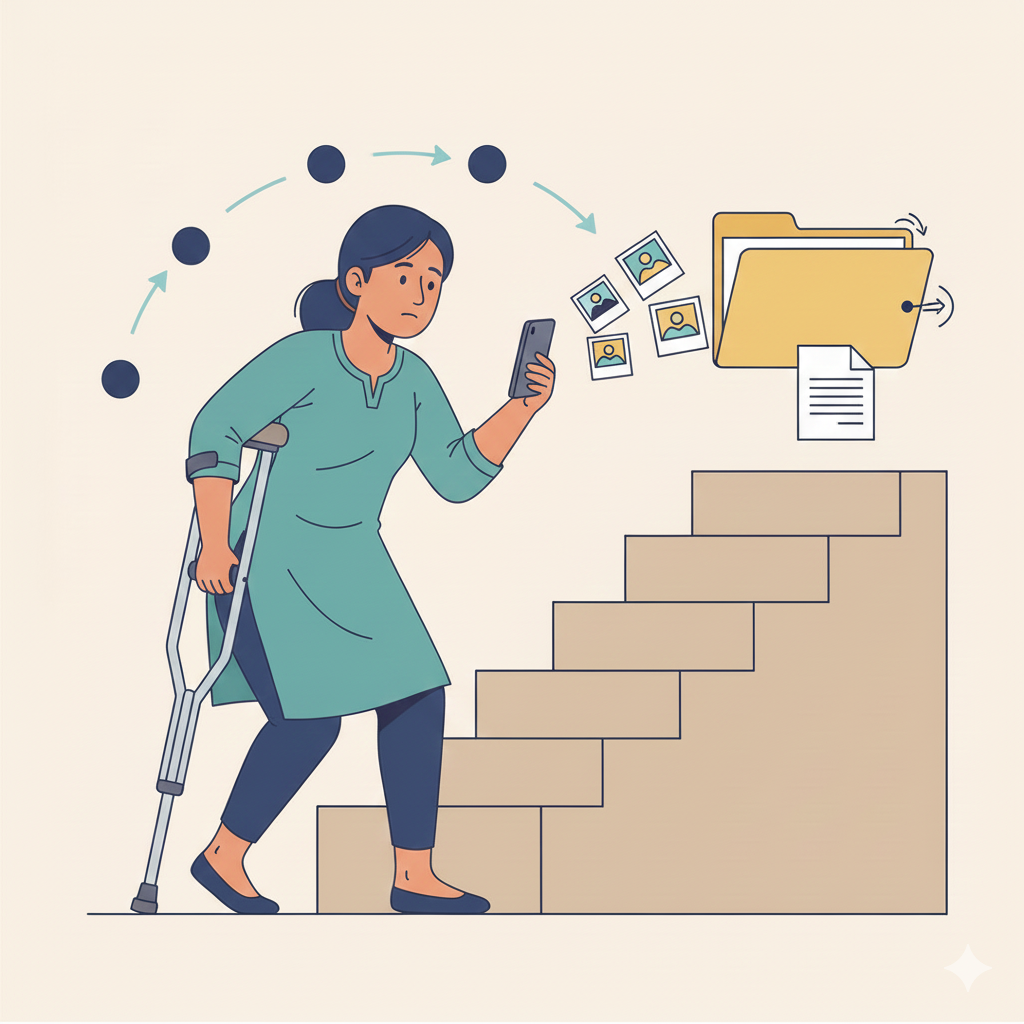
Begin by clearly identifying what happened and how it affected your rights. Note the date, location, people involved, and the specific barrier, discrimination, or harassment faced. Understanding whether the issue relates to accessibility, denial of opportunity, harassment, or lack of reasonable accommodation helps frame the complaint accurately.
01.

Strong documentation strengthens your complaint. Preserve all relevant evidence such as emails, letters, screenshots, photographs, videos, medical or disability certificates, and details of witnesses if any. Even informal communication can support your claim and help authorities assess the violation objectively.
02.

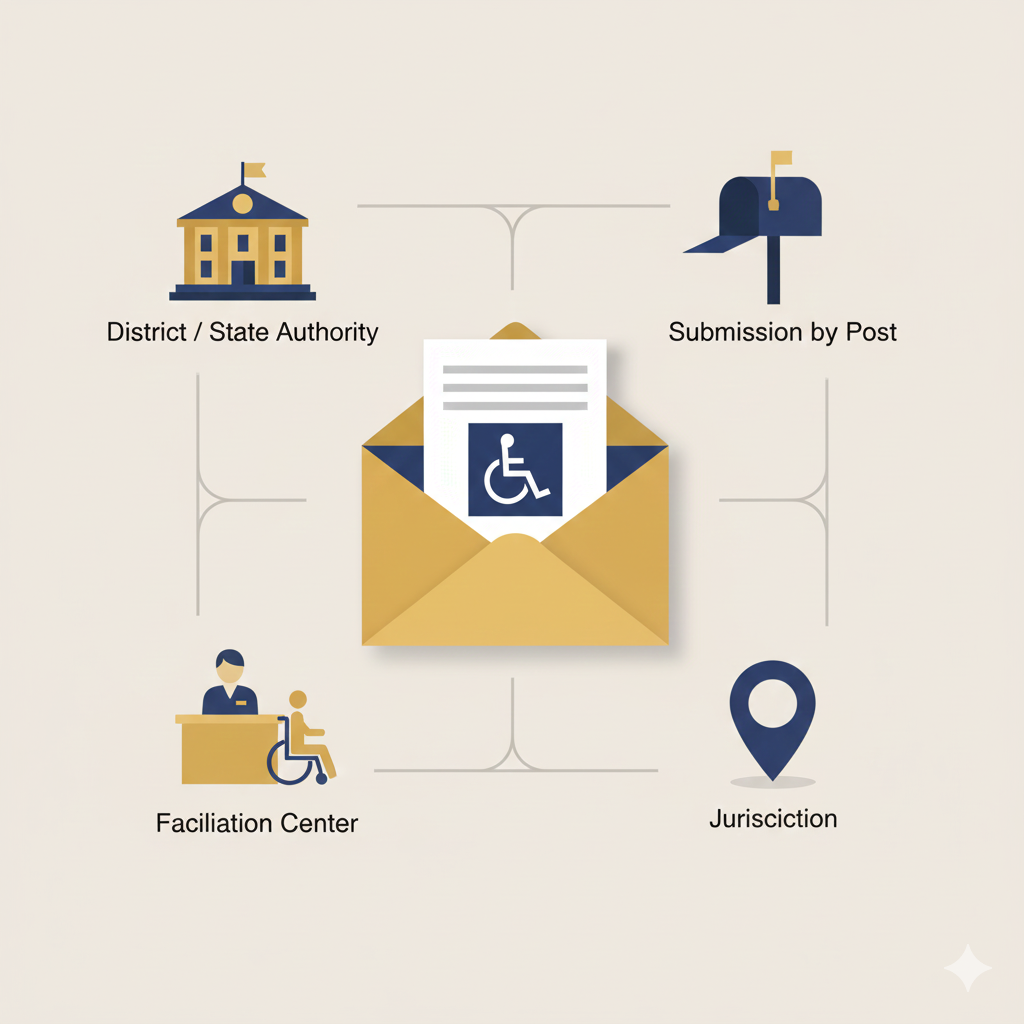
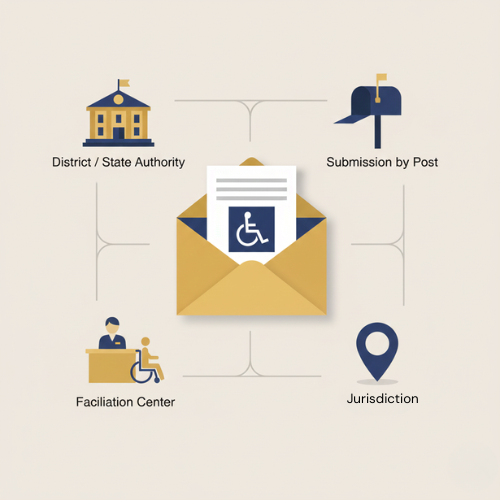
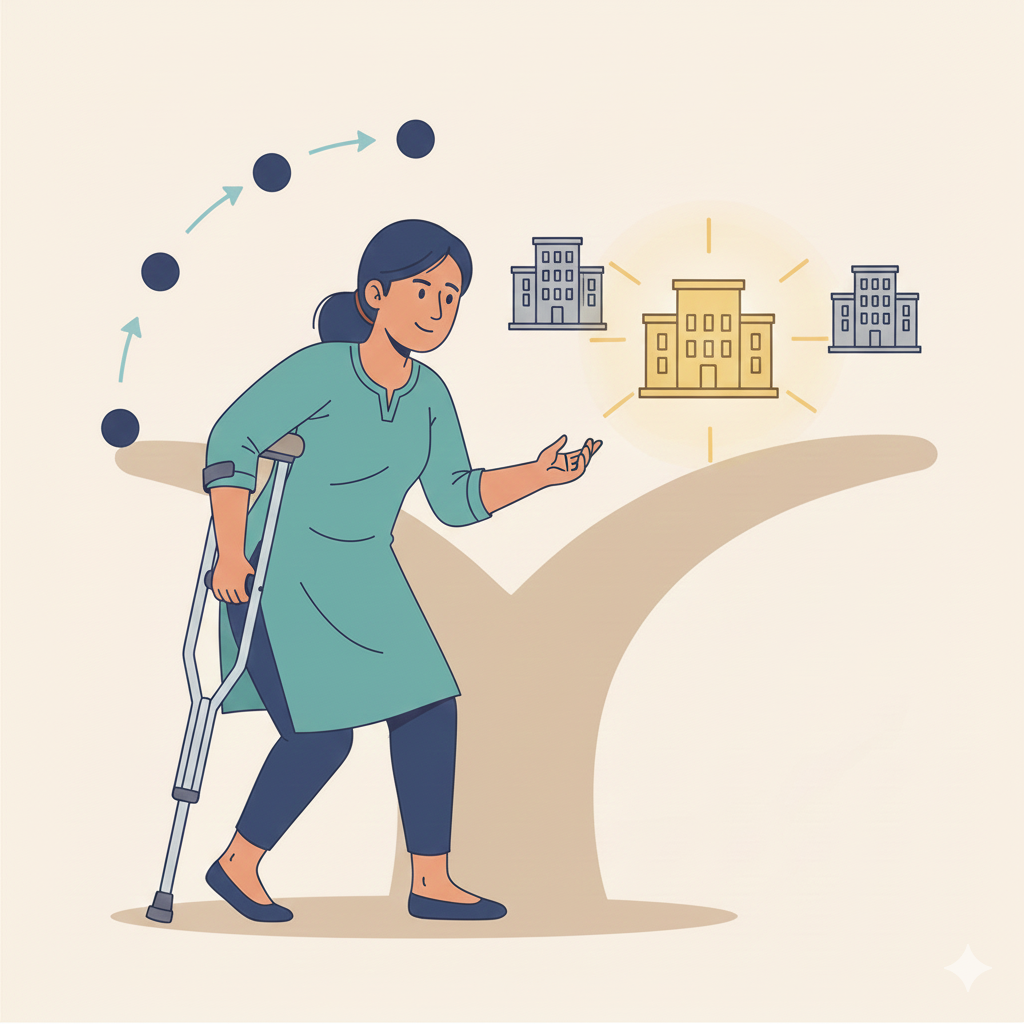
Selecting the appropriate authority is essential for timely action. Complaints may be filed at the district, state, or national level, depending on the nature of the issue and the institution involved. Local issues may be addressed by District or State Commissioners, while broader or serious violations can be escalated to national authorities.
03.

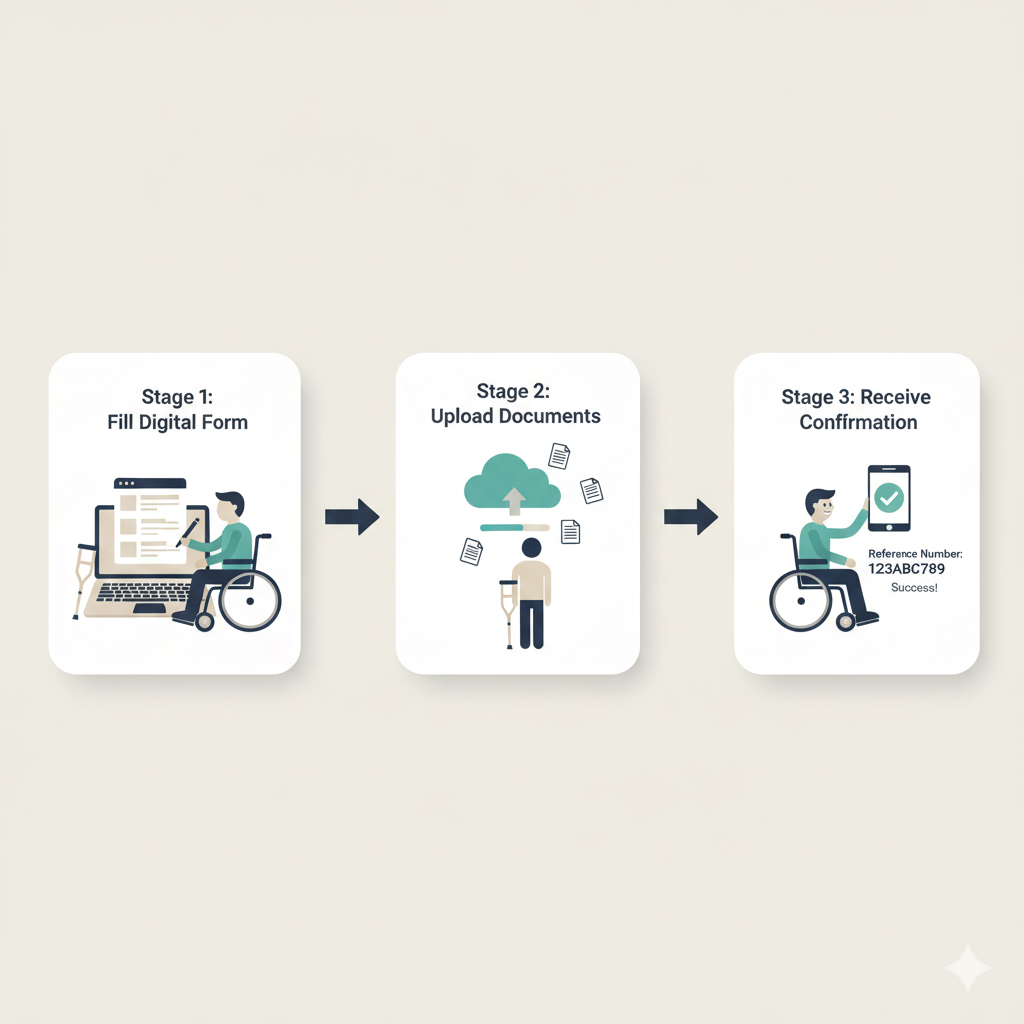
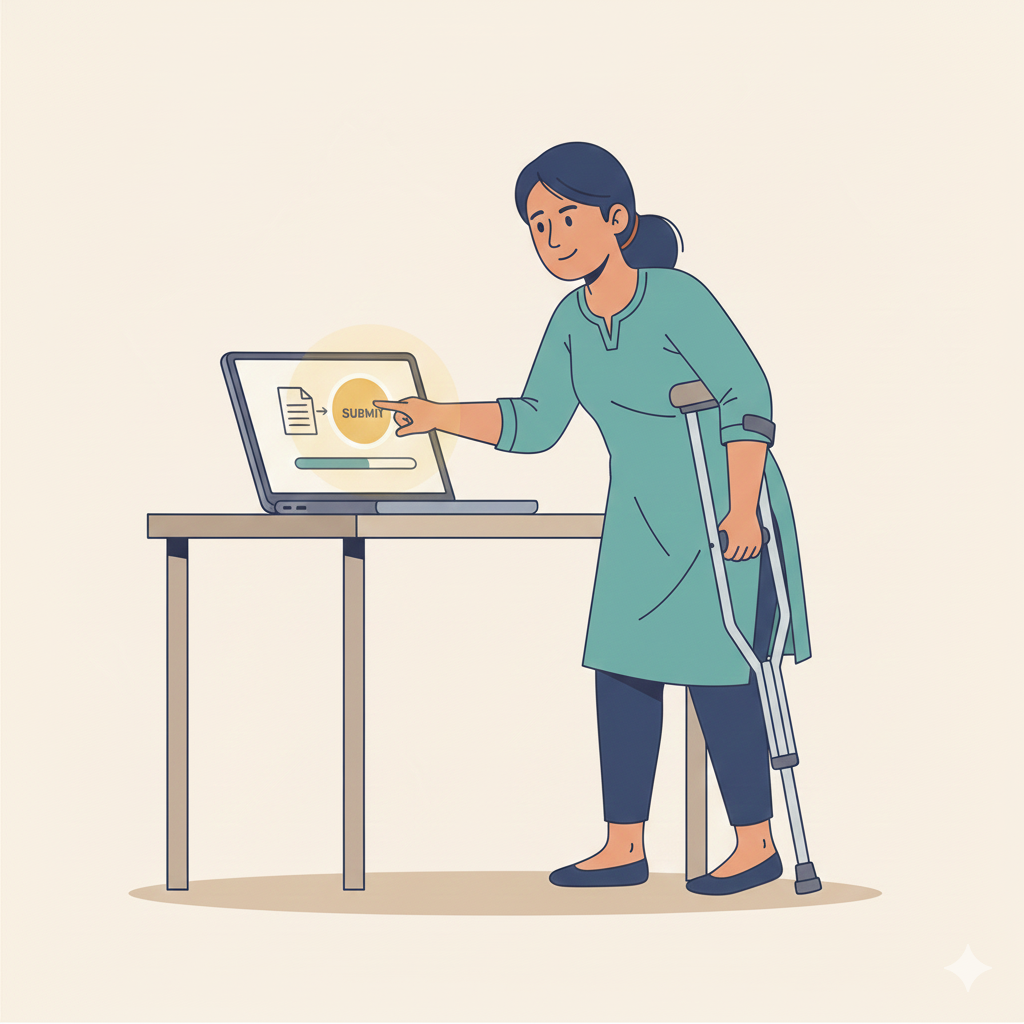
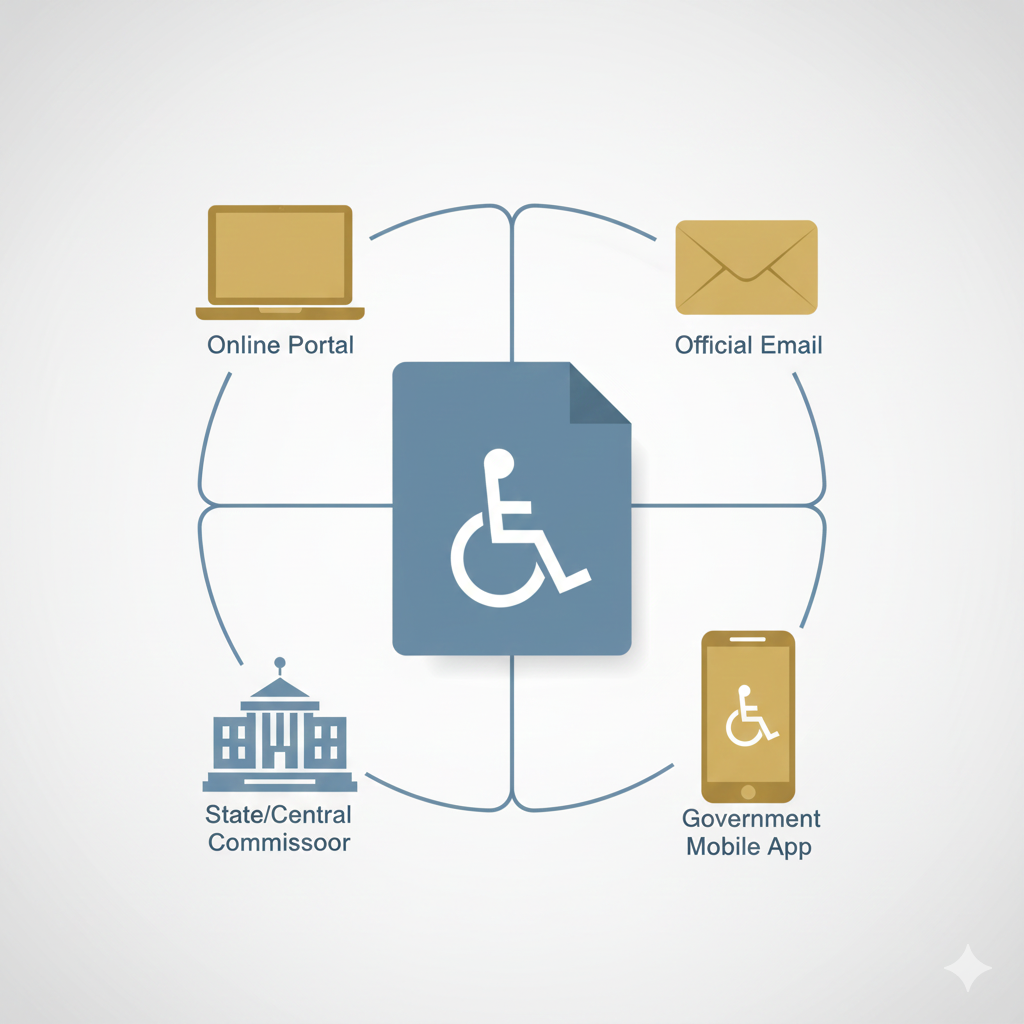
You can File Disability Complaint through online portals, official email addresses, or written applications submitted in person or by post. Ensure that the complaint is clear, factual, and supported by documents. Mention the relief or corrective action you are seeking to help authorities respond effectively.
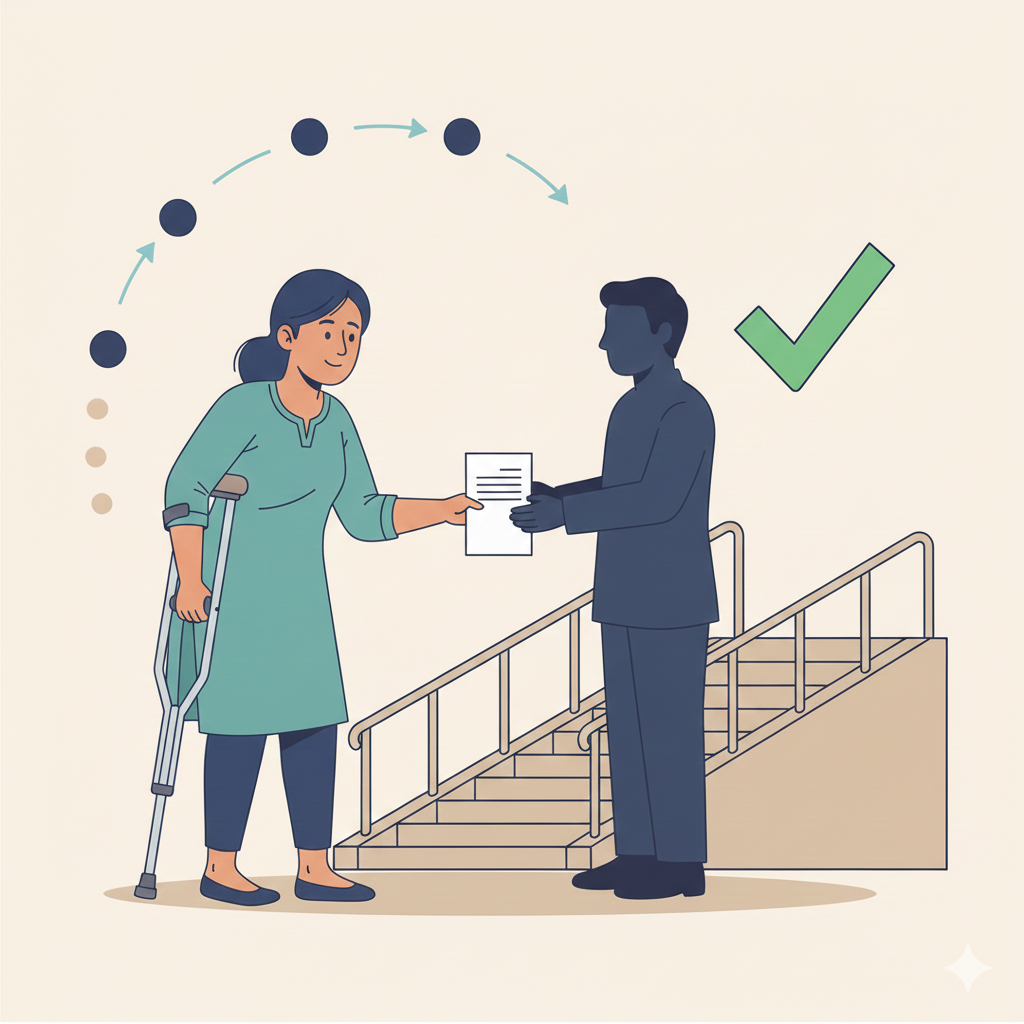
04.

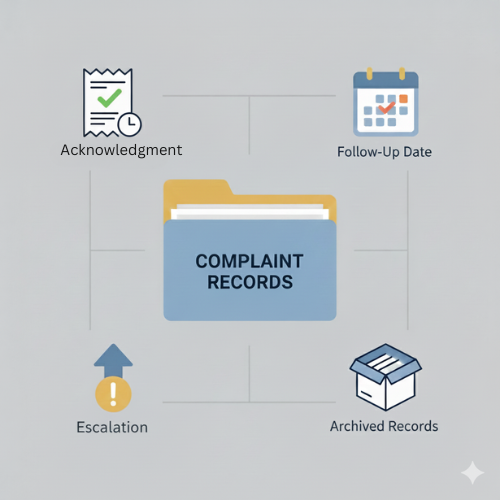
After submission, track the status of your complaint and respond promptly to any requests for clarification or additional documents. Follow-ups should be professional and factual. Cooperation during inquiries or hearings improves the chances of a timely and fair resolution.
05.
This structured approach ensures clarity, accountability, and meaningful enforcement of disability rights, enabling individuals to assert their rights with confidence.
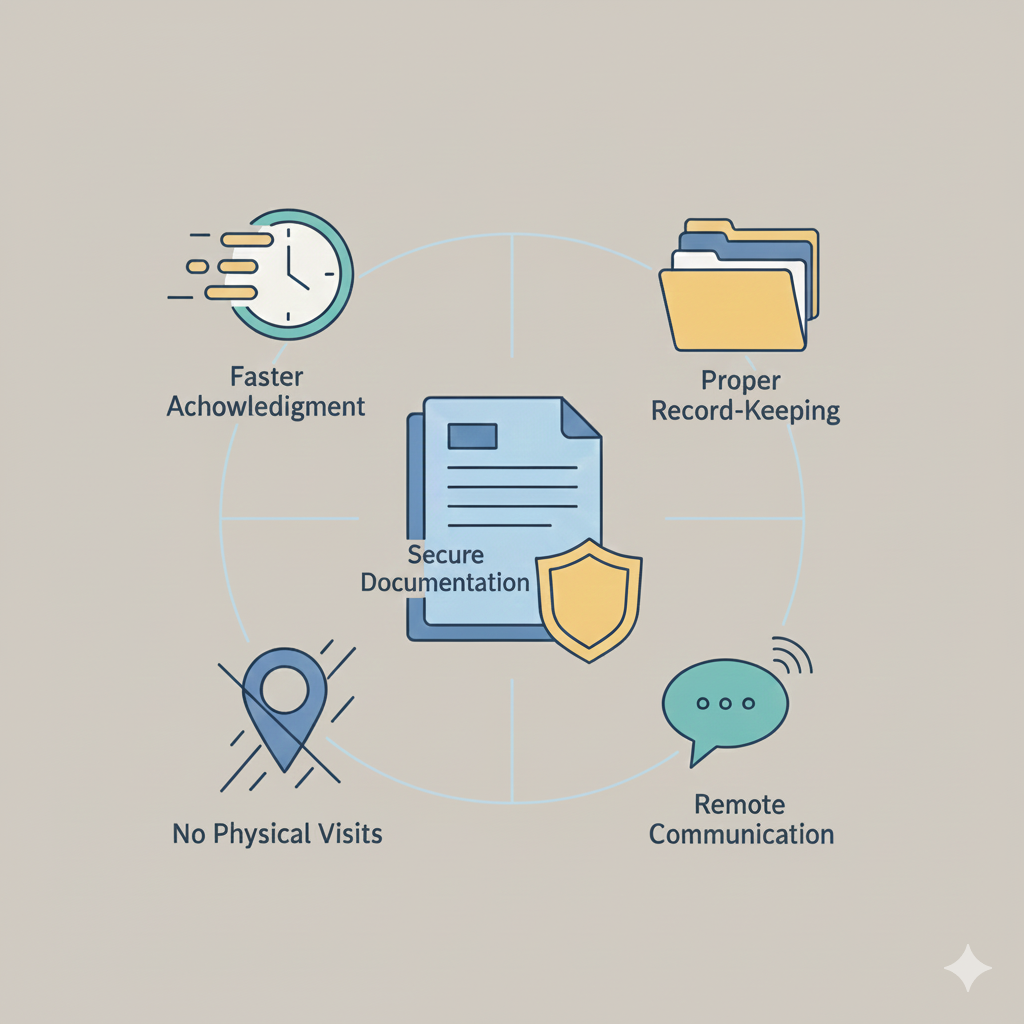
Digital platforms have significantly simplified how individuals can report disability-related violations without facing physical or mobility barriers. The online complaint process is especially useful for persons who may find travel difficult or who require timely intervention.
Options for disability rights complaint online include:
For individuals who prefer physical submission or do not have reliable access to digital platforms, the offline complaint process remains a valid and legally recognized option under disability law in India. This ensures that access to justice is not limited by technology or connectivity barriers.
Offline processes are fully enforceable under law and carry the same legal weight as online complaints, ensuring equal access to remedies for all individuals.
The RPWD Act clearly defines the authorities responsible for addressing disability rights violations and ensuring compliance with RPwD Act accessibility requirements. These bodies are empowered to receive complaints, conduct inquiries, and enforce corrective action where rights are violated.
Authorities handling disability complaints have both administrative and quasi-judicial responsibilities. Their role is not only to resolve individual grievances but also to promote systemic compliance and prevent future violations through monitoring and recommendations.

The Chief Commissioner functions at the national level and addresses serious, complex, or multi-state issues involving disability rights. This authority has the power to examine complaints, seek reports from concerned bodies, summon records, and issue directions to ensure compliance with the law. Matters of national importance or repeated violations may be escalated to this level.
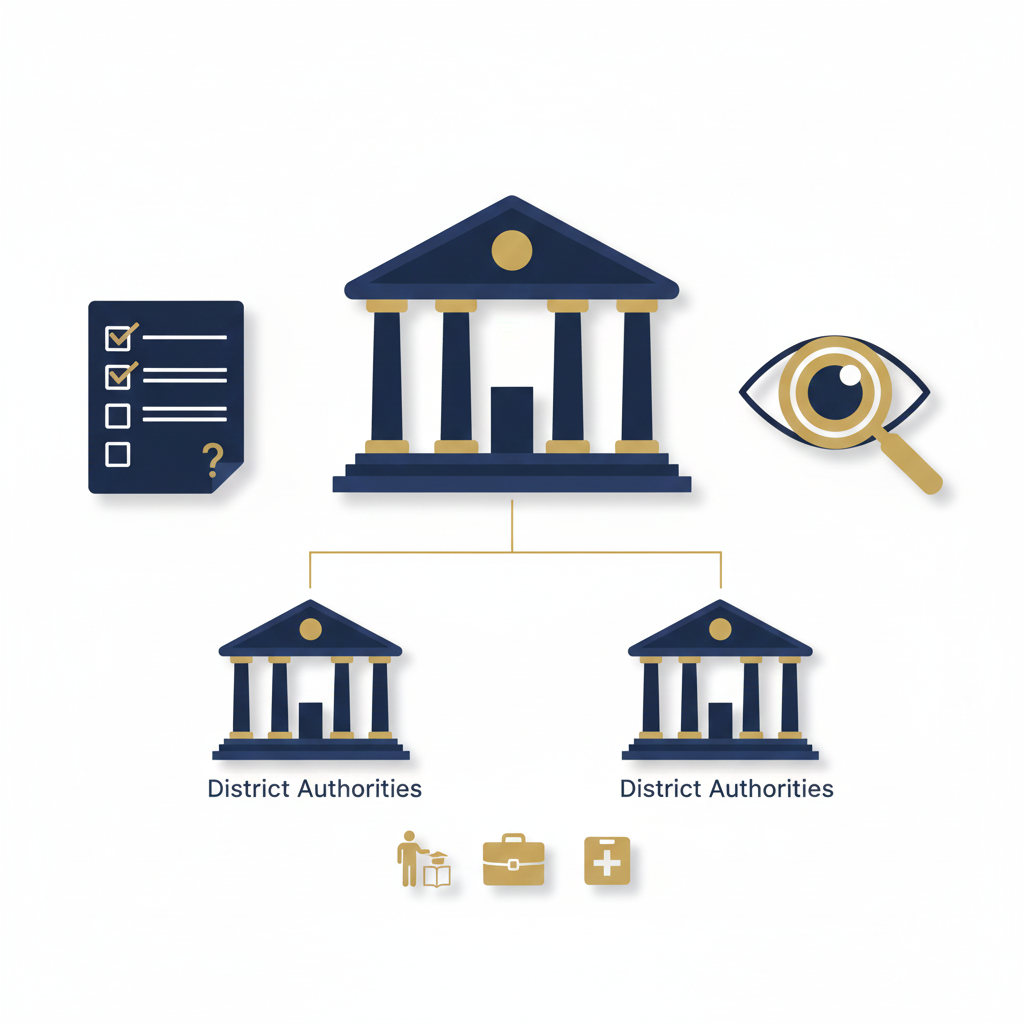
State and District Commissioners are the primary authorities for handling most disability-related complaints. They deal with violations occurring within their jurisdiction, including issues related to education, employment, accessibility, healthcare, and public services. These authorities are responsible for timely inquiry, recommending corrective measures, and monitoring compliance at the ground level.

In cases involving serious violations of dignity, harassment, or fundamental human rights, complaints may also be raised before Human Rights Commissions. While not disability-specific bodies, they can intervene where disability discrimination overlaps with broader human rights concerns.

These authorities are legally mandated to act impartially, ensure due process, and apply RPwD Act penalty provisions where violations are established—strengthening accountability and access to justice.
After you File Disability Complaint, the concerned authority follows a structured process to examine the issue and ensure that disability rights are protected. Understanding these steps helps reduce uncertainty and builds confidence in the system.
Authorities handling disability complaints have both administrative and quasi-judicial responsibilities. Their role is not only to resolve individual grievances but also to promote systemic compliance and prevent future violations through monitoring and recommendations.

Once the complaint is submitted, the authority generally issues an acknowledgment—either electronically or in writing. This confirms that the complaint has been officially registered and provides a reference number for future follow-up.
The authority reviews the complaint details and supporting documents to assess whether the issue falls under disability law and requires further action. If additional information or clarification is needed, the complainant may be contacted.
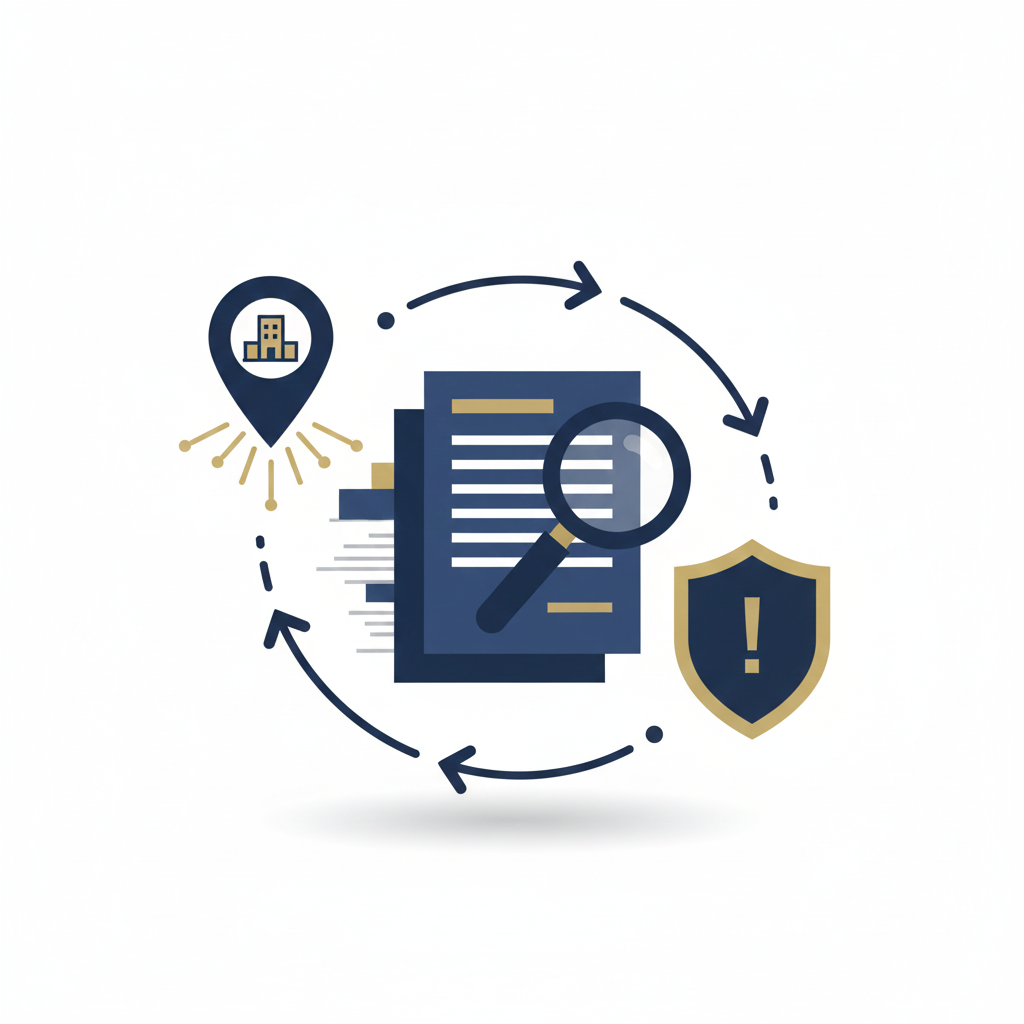
If the complaint appears valid, an inquiry or investigation is initiated. This may involve examining records, visiting the concerned location, or seeking explanations from relevant parties. In cases involving a disability harassment complaint, authorities may act with greater urgency due to concerns related to safety and dignity.
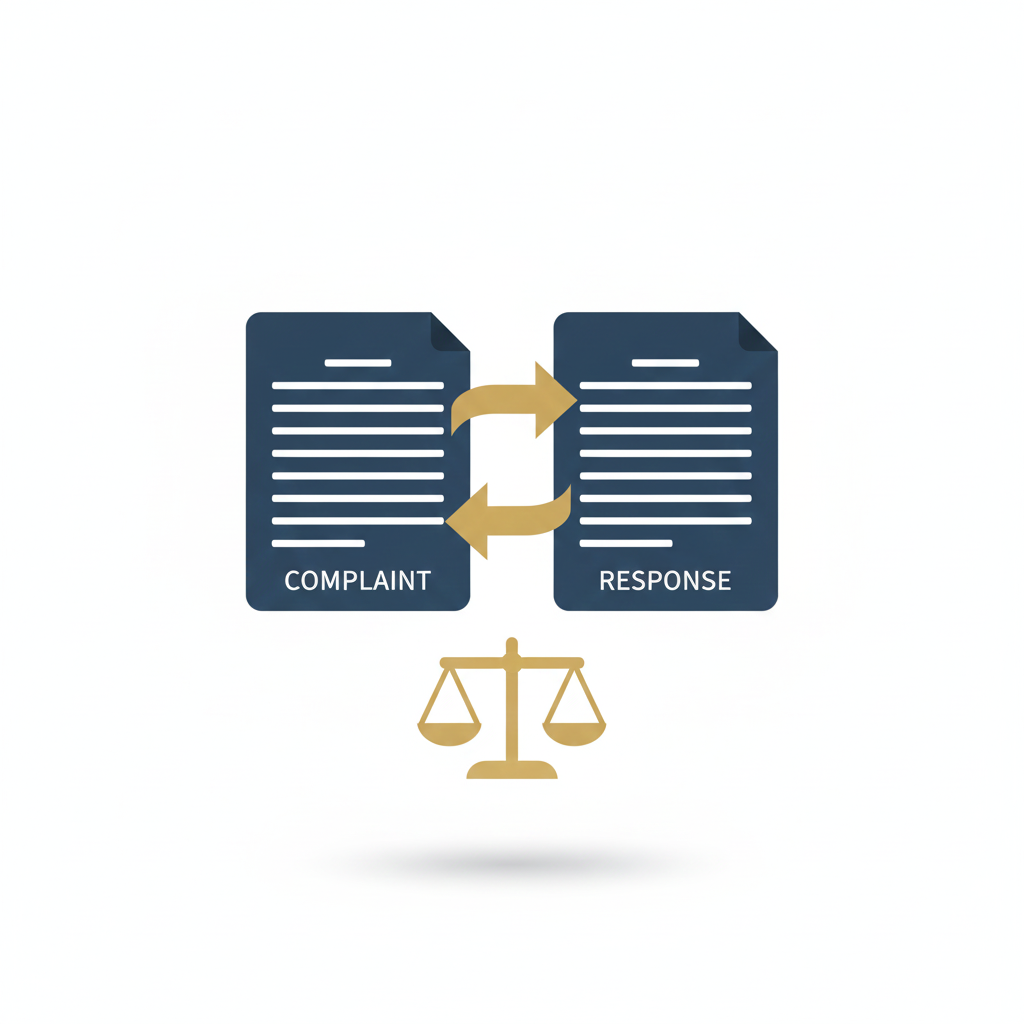
The individual or institution against whom the complaint is filed is given an opportunity to respond. This ensures fairness and allows authorities to evaluate both sides before reaching a conclusion.
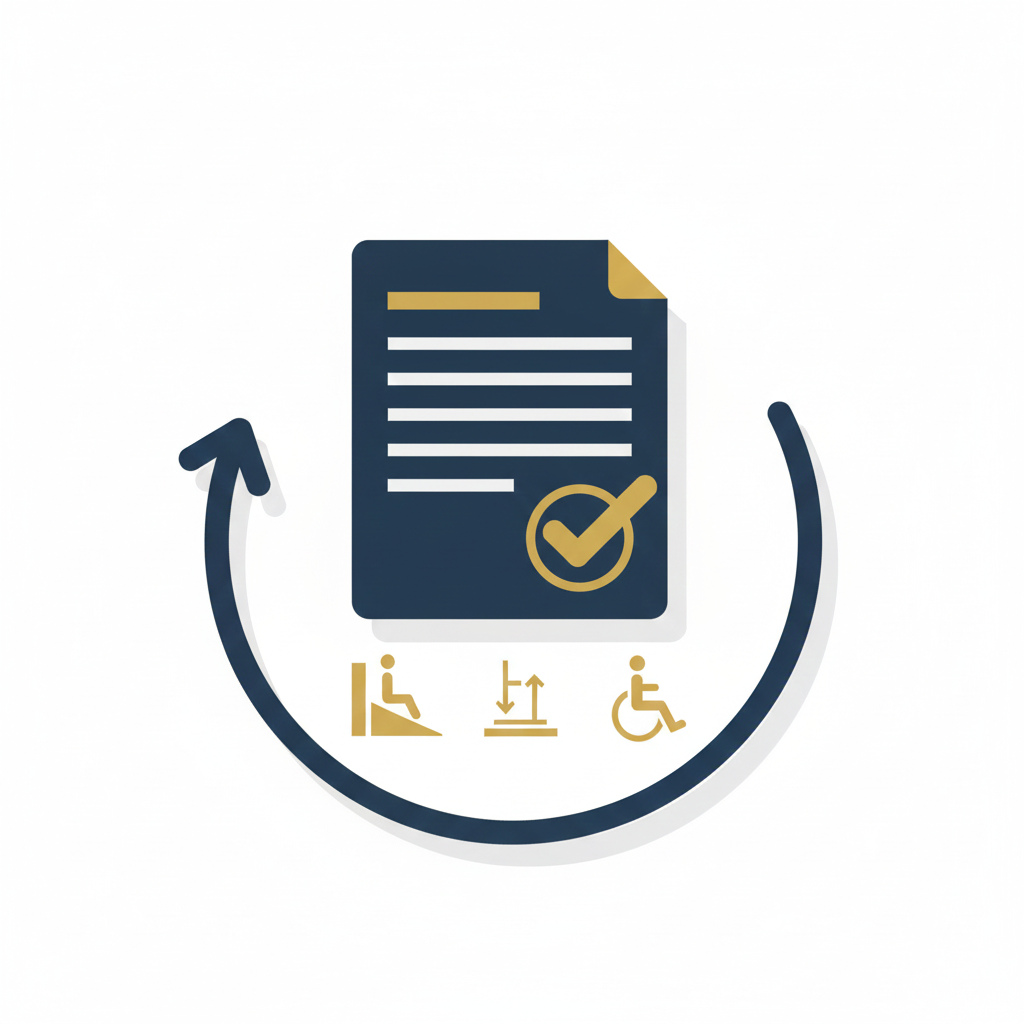
Based on the findings, authorities may issue corrective directions, mandate accessibility improvements, impose penalties, or recommend policy or procedural changes. In some cases, follow-up monitoring may be conducted to ensure compliance.

In cases involving a disability harassment complaint, urgency may be higher due to personal safety or dignity concerns.
Outcomes may include corrective directions, penalties, or policy changes.
Accessibility is not optional—it is a legal right. Complaints related to infrastructure, transport, or digital access fall under RPwD Act accessibility requirements.
If lack of access prevents participation, it can be treated as a disability discrimination complaint, regardless of whether the entity is public or private.
Raising such complaints helps improve systems not just for one individual, but for many.
Filing a disability rights complaint effectively requires clarity, preparation, and consistency. Following these practical tips can significantly improve the chances of timely and meaningful resolution.
Always keep written records of incidents, communication, and responses. Emails, letters, screenshots, photographs, and dated notes help establish a clear timeline and provide objective evidence to support your complaint.
Submit complaints only through recognized authorities, official port als, or verified email addresses. Using formal channels ensures that your complaint is acknowledged, recorded, and handled within the legal framework.
Describe the issue factually and straightforwardly. Clearly state how the action or inaction resulted in discrimination, denial of access, or lack of reasonable accommodation under disability law.
If there is no response within a reasonable time, send polite follow-up communications. Consistent follow-up demonstrates seriousness while maintaining a professional tone strengthens credibility.
Avoid emotional or confrontational language. A calm and well-structured complaint helps authorities focus on the issue and reduces the risk of misunderstandings.
Yes. Legal representation is not mandatory to file a disability complaint in India. Individuals, caregivers, or authorized representatives can submit complaints directly to the concerned authorities. The process is designed to be accessible and does not require legal expertise, although legal assistance may be sought if the matter becomes complex.
The timeline for resolving a disability complaint can vary depending on the nature of the issue and the authority involved. While there is no fixed statutory deadline in all cases, authorities are expected to act within reasonable timeframes. Delays can be followed up through written reminders or escalation where necessary.
Yes. The RPWD Act applies to both public and private entities, including companies, educational institutions, hospitals, housing societies, and service providers. Private organizations are legally obligated to prevent discrimination and ensure accessibility and reasonable accommodation.
Yes. Accessibility barriers—whether physical, digital, or communication-related—are legally actionable under the RPWD Act. Failure to provide accessible infrastructure, services, or information can form the basis of a valid disability discrimination complaint.
If travel is not possible, complaints can be filed through online portals, email submissions, or digital platforms. These mechanisms allow individuals to submit documents, receive acknowledgments, and track progress without physical presence, ensuring equal access to justice.
Request
Assistance