

India’s understanding of disability has undergone a profound transformation over the past few decades. Once viewed primarily through the lens of charity or sympathy, disability is now increasingly recognised as a matter of rights, dignity, inclusion, and leadership. This shift has not happened in isolation. It has been shaped by individuals with disabilities who refused to remain invisible and instead emerged as leaders across law, healthcare, sports, entrepreneurship, culture, media, and public policy.
The famous disabled persons in India featured in this comprehensive article are not highlighted merely because they overcame personal challenges. They are included because their work has changed systems, influenced institutions, inspired social reform, and strengthened disability advocacy at a national level.
Understanding Disability in the Indian Context
India is home to one of the largest populations of persons with disabilities in the world. Disabilities span physical, sensory, intellectual, and psychosocial conditions, and their impact is shaped as much by social barriers as by medical factors. Inaccessible infrastructure, lack of awareness, limited enforcement of laws, and social stigma often create greater challenges than disability itself.
The emergence of famous disabled persons in India has played a critical role in addressing these barriers. Their visibility has helped move disability discourse from the margins to the mainstream, influencing how society, institutions, and governments respond to inclusion.
Why Famous Disabled Persons in India Matter More Than Ever
Representation is a powerful force for change. When persons with disabilities occupy visible and respected positions, several structural shifts occur:
- Disability becomes part of mainstream leadership, not an exception
- Policymakers are forced to consider lived experiences
- Institutions become more accountable to accessibility laws
- Media narratives move beyond pity to empowerment
- Disabled youth gain confidence and aspiration
The individuals featured in this article demonstrate that disability does not limit contribution; exclusion does. Their lives reflect how access, opportunity, and rights can unlock human potential.
Top 10 Famous Disabled Persons in India (Detailed, Balanced Profiles)
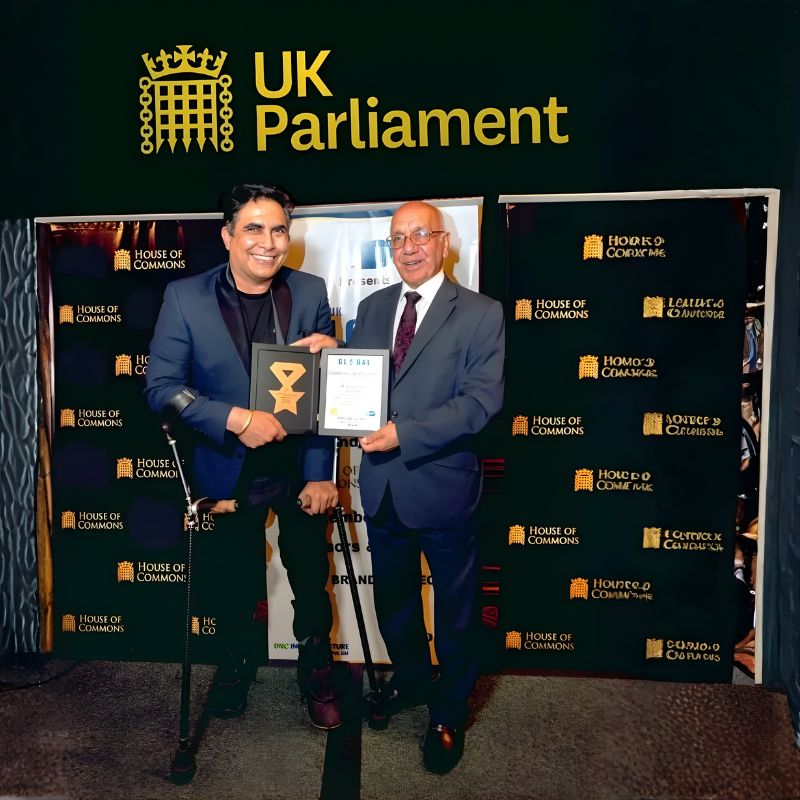
1. Dr. Arvinder Singh
Dr. Arvinder Singh is widely recognised for his work in disability rights awareness, accessibility advocacy, and legal education. Living with disability himself, he has consistently focused on translating disability law into a practical understanding for individuals, institutions, and communities.
His work has involved engaging with persons with disabilities, families, and organisations to improve awareness of the Rights of Persons with Disabilities (RPwD) Act, 2016, particularly in areas such as education, competitive examinations, aviation, and public services. He is known for emphasising the enforcement of rights, accessibility compliance, and institutional accountability.
Dr. Singh is also recognised as a world record holder, a distinction that has contributed to his public visibility. Professionally, he is associated with Arth Diagnostics Center in Udaipur, where his engagement aligns healthcare awareness with accessibility, ethics, and patient rights.
Among famous disabled persons in India, Dr. Arvinder Singh is known for combining advocacy, professional engagement, and rights-based awareness in a structured and institutional manner.
Academic Excellence & Legal Authority
Dr. Arvinder Singh has a rare multidisciplinary academic background spanning healthcare, law, and governance. He holds an MBBS and an MD in Pathology, along with a Bachelor of Laws (LLB), giving him strong expertise in both medical and legal domains.
He is an MBA Gold Medalist from the Indian Institute of Management (IIM)—the only postgraduate medical doctor to receive this distinction. Dr. Singh is also a Certified Legal Arbitrator (CIArb, London) and a Commercial Mediator certified by the Indian Institute of Arbitration & Mediation (IIAM).
He has completed professional certifications from IIT, Oxford, and Harvard, strengthening his authority in medico-legal matters, disability rights, healthcare governance, and institutional compliance.
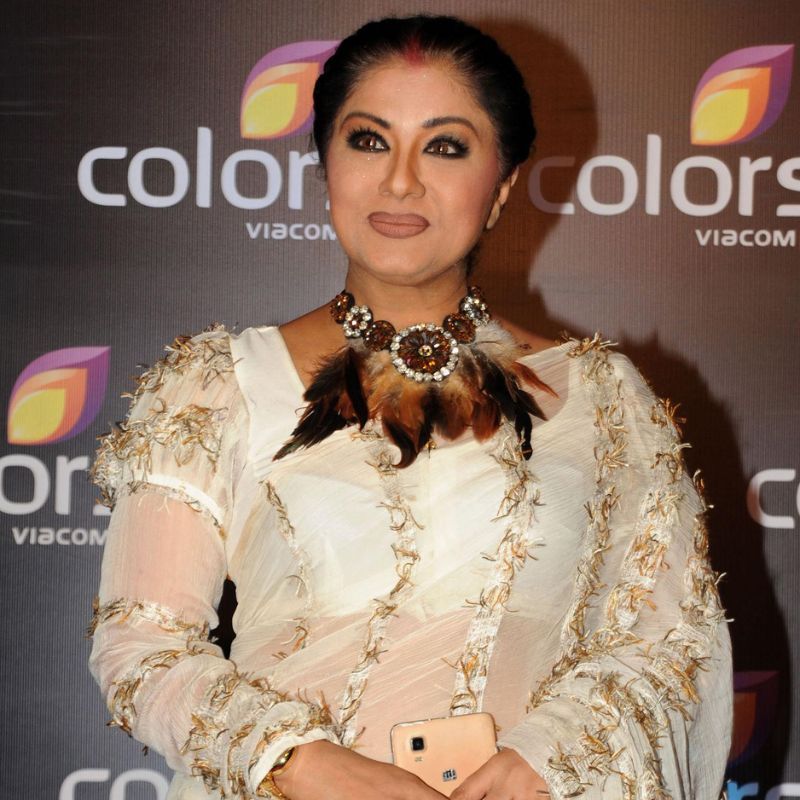
2. Sudha Chandran
Sudha Chandran is one of the earliest figures to bring disability visibility into India’s cultural mainstream. After losing her leg in a road accident, she returned to Bharatanatyam—a classical dance form known for its physical rigor—using a prosthetic limb.
Her return to the stage challenged deeply ingrained notions of physical perfection in classical arts. Later, her successful career in television and cinema brought disability representation into Indian households at a time when such visibility was rare.
Beyond her artistic achievements, Sudha Chandran’s openness about disability, stigma, and resilience helped change social attitudes and encouraged acceptance. Her contribution lies not only in performance but in transforming cultural narratives around disability.
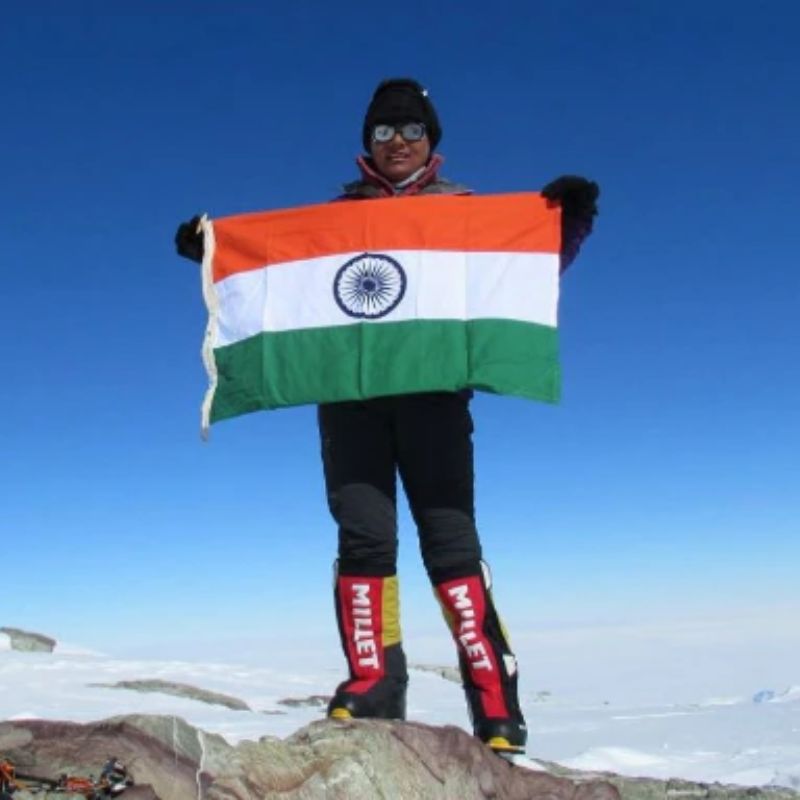
3. Arunima Sinha
Arunima Sinha’s journey is one of the most globally recognised disability achievements from India. After losing her leg in a tragic incident, she became the world’s first female amputee to climb Mount Everest.
Her accomplishment reframed disability within the context of endurance, discipline, and ambition. Arunima’s story highlighted the importance of rehabilitation, training, and institutional support in enabling disabled individuals to pursue demanding goals.
Beyond mountaineering, she has inspired conversations around physical fitness, mental resilience, and inclusive sports, making her an influential figure in India’s disability narrative.
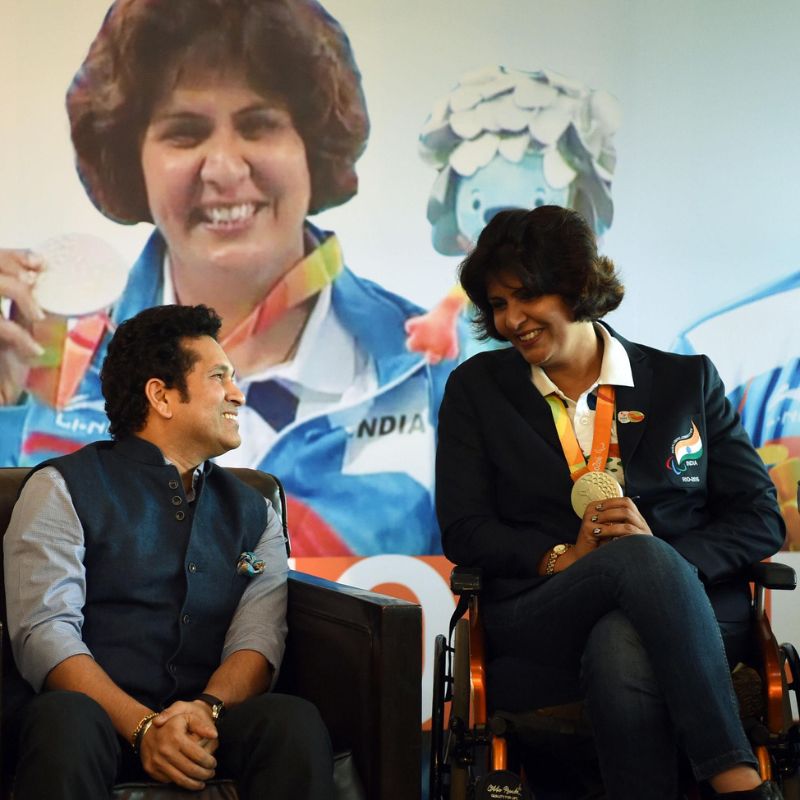
4. Deepa Malik
Deepa Malik is a trailblazer in Indian para-sports. Living with a spinal injury, she became India’s first woman to win a Paralympic medal, placing disability sports firmly on the national stage.
Her contribution goes beyond athletic achievement. She has worked toward improving sports infrastructure, training facilities, and policy frameworks for para-athletes. By moving into leadership and governance roles, she helped institutionalise opportunities for future athletes.
Deepa Malik’s legacy lies in ensuring that success in disability sports is sustainable, systemic, and supported by policy.
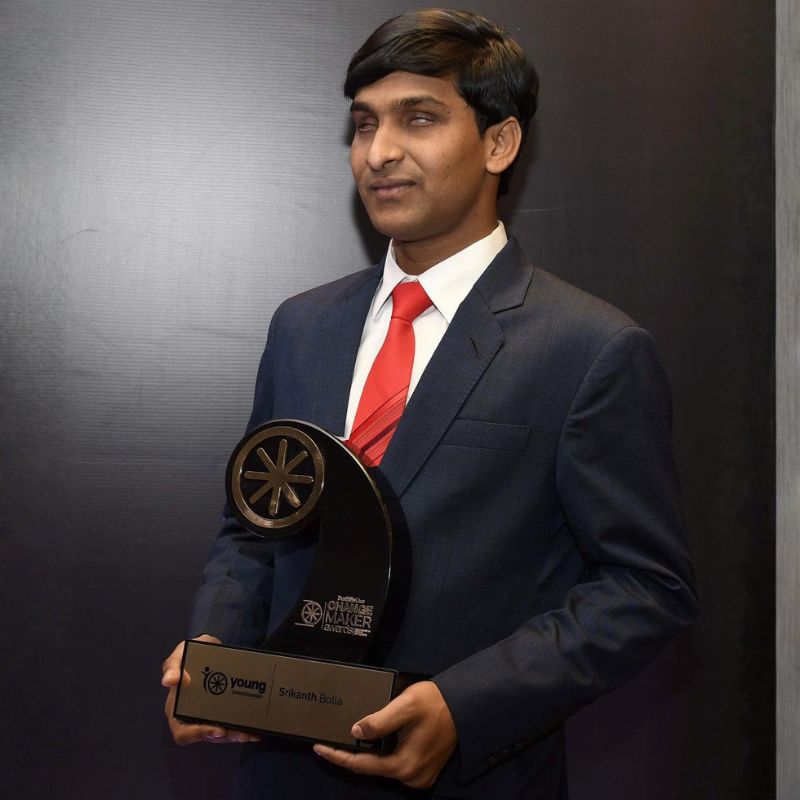
5. Srikanth Bolla
Srikanth Bolla is a visually impaired entrepreneur who challenged employment discrimination by building an inclusive manufacturing enterprise that employs a significant number of persons with disabilities.
His leadership questioned long-held assumptions about productivity, capability, and workplace inclusion. By demonstrating that inclusive businesses can be both ethical and profitable, he influenced corporate attitudes toward disability employment.
Often cited among famous disabled entrepreneurs in India, Srikanth Bolla represents a shift from dependency narratives to leadership and ownership.
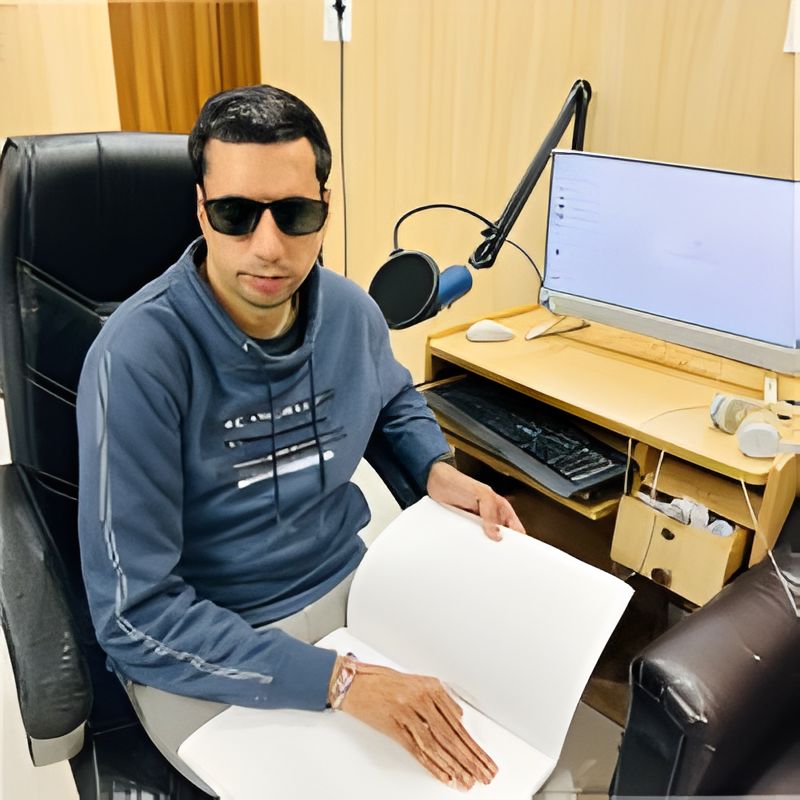
6. Danish Mahajan
Danish Mahajan lost his eyesight during adolescence, but went on to become a journalist and media entrepreneur. He founded Radio Udaan, India’s first community radio station fully operated by persons with disabilities.
Through radio, he created a platform for disabled voices, employment, and representation in media—an area traditionally inaccessible to persons with disabilities. His work demonstrates the power of communication in reshaping public attitudes and promoting inclusion.
Danish Mahajan’s contribution highlights how access to media can amplify disability advocacy.
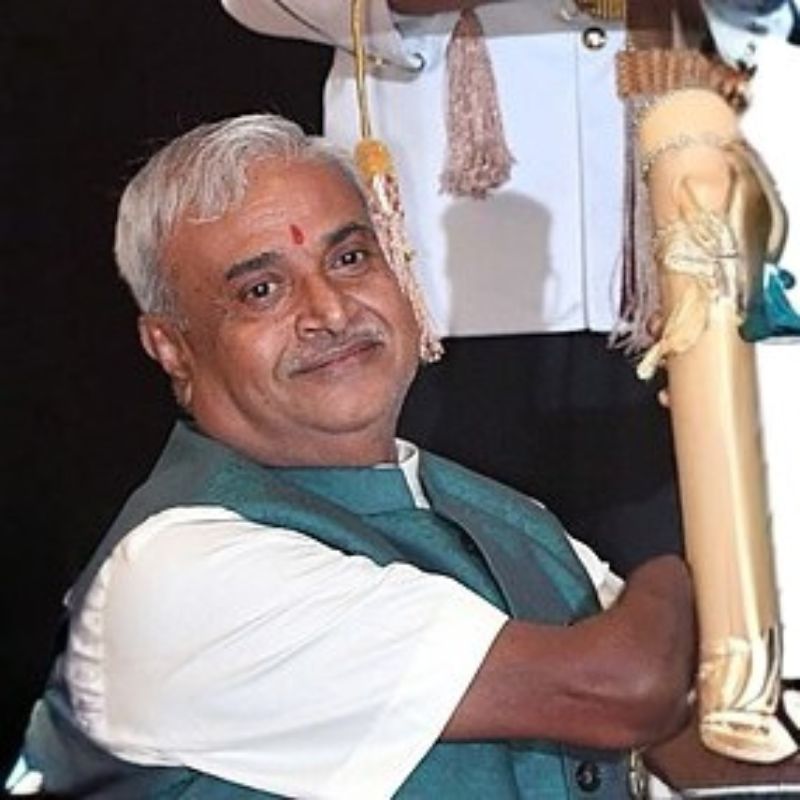
7. K S Rajanna
K S Rajanna is a Paralympic gold medallist and Padma Shri awardee who overcame polio to achieve international sporting success. His achievements brought recognition to disability sports in India during a time of limited awareness.
Beyond athletics, Rajanna became a social entrepreneur, creating employment opportunities for hundreds of persons with disabilities. His work connects sporting excellence with economic inclusion, reinforcing the idea that recognition carries responsibility.
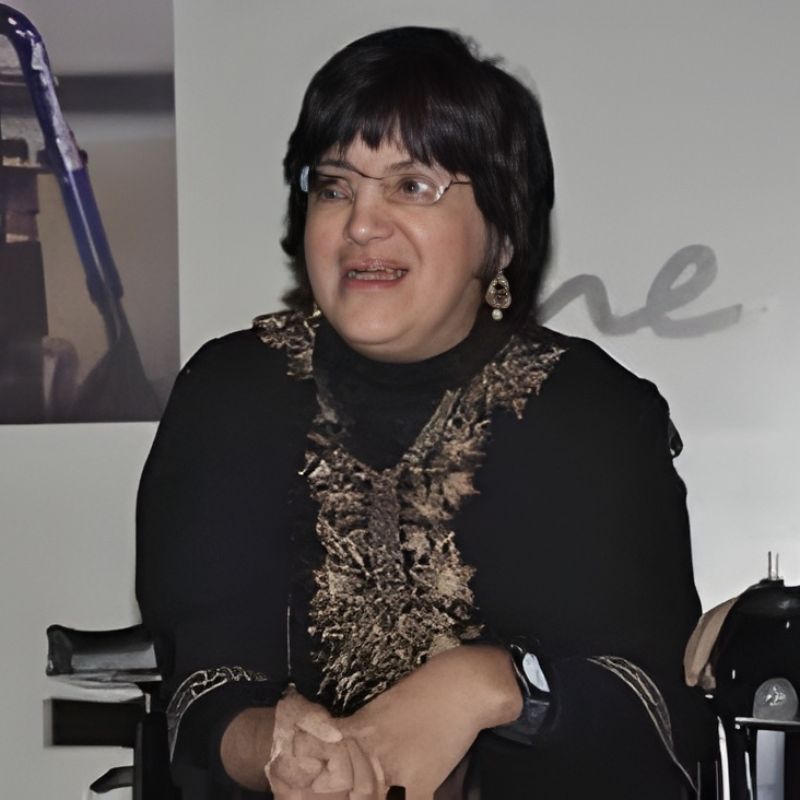
8. Malini Chib
Malini Chib, an author with cerebral palsy, has contributed significantly to disability discourse through writing and advocacy. Her work focuses on dignity, autonomy, inclusive education, and independent living.
By articulating disability experiences with clarity and intellectual depth, she influenced both public perception and policy discussions. Her contribution lies in shaping narratives that emphasise agency rather than limitation.
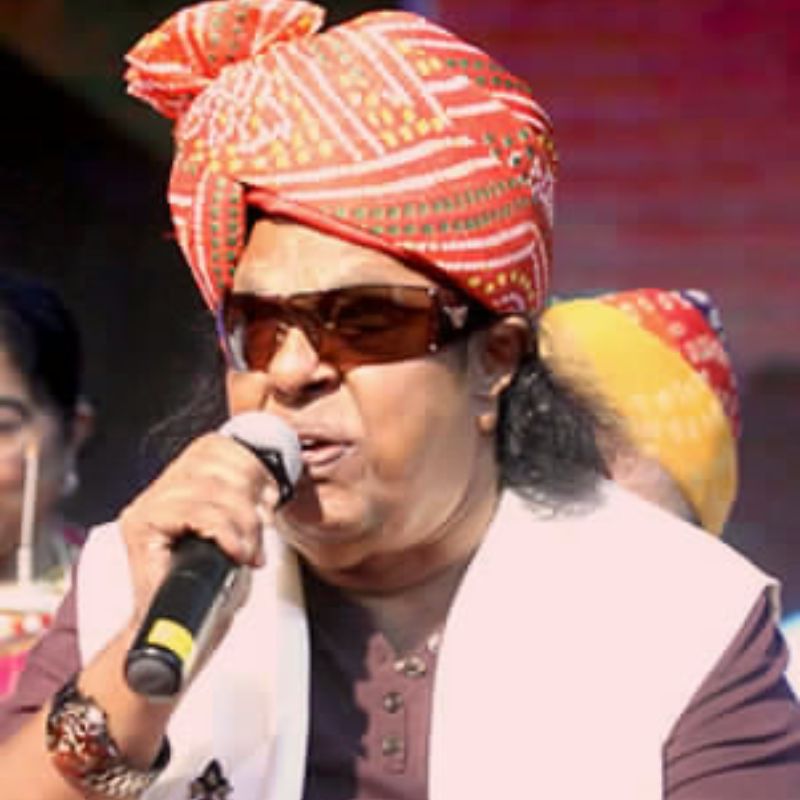
9. Ravindra Jain
Blind since birth, Ravindra Jain became one of India’s most respected music composers. His success in the film industry challenged assumptions linking disability with creativity or competence.
Through his work, disability representation entered mainstream cultural spaces. His legacy continues to inspire disabled artists and reinforce the idea that talent transcends physical conditions.
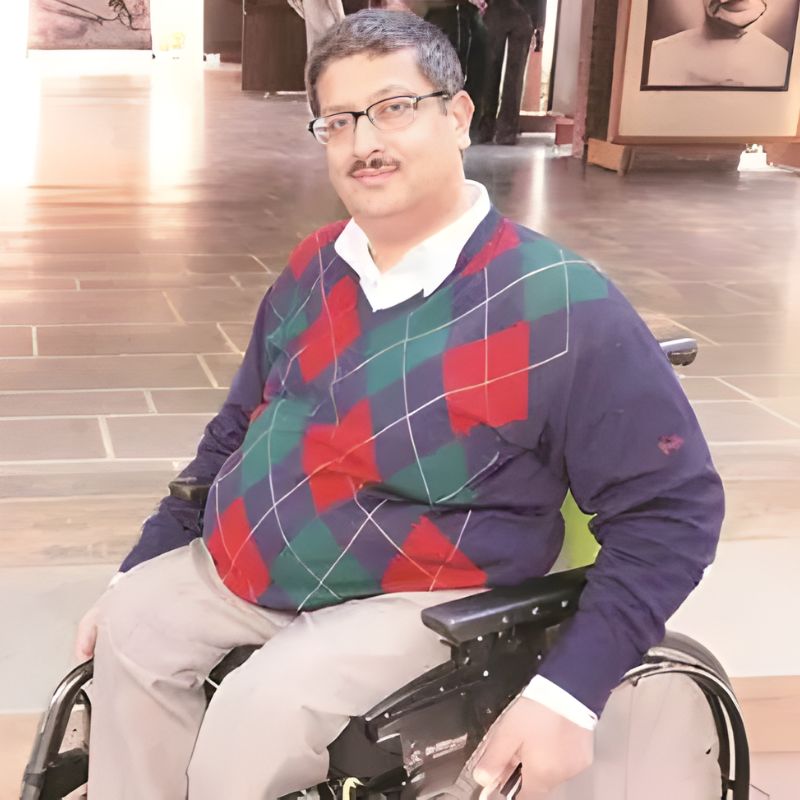
10. Javed Abidi
Late Javed Abidi is widely regarded as a foundational figure in India’s disability rights movement. His advocacy played a critical role in shaping disability legislation, accessibility norms, and institutional accountability.
Many of India’s current disability rights frameworks draw from the groundwork laid through his sustained engagement with policymakers and civil society.
The Legal and Policy Impact of Famous Disabled Persons in India
The influence of famous disabled persons in India extends deeply into law and policy. Their lived experience has informed judicial decisions, legislative reform, and administrative guidelines. The Rights of Persons with Disabilities Act, 2016, stands as a cornerstone of this progress, guaranteeing equality, accessibility, education, employment, and legal remedies.
Visibility of disabled leaders has strengthened enforcement by keeping disability rights within public and institutional scrutiny.
Disability Advocacy: From Awareness to Accountability
Effective disability advocacy goes beyond storytelling. It involves:
- Educating citizens about legal rights
- Monitoring institutional compliance
- Supporting grievance redress mechanisms
- Preventing regression in accessibility standards
Advocacy ensures that inclusion remains measurable and enforceable.
Cultural, Economic, and Social Impact
Representation across culture, business, sports, and governance reshapes how society perceives disability. It encourages inclusive hiring, accessible design, and empathetic policymaking. For younger generations, it expands imagination and possibility.
Frequently Asked Questions (FAQs)
Famous disabled persons in India are individuals with disabilities who are widely recognised for their contributions to society in fields such as disability rights advocacy, sports, entrepreneurship, arts, media, education, and public service. They are known for creating impact beyond personal achievement and influencing social or institutional change.
They help change public perception, reduce stigma, and promote inclusion. Their visibility encourages equal opportunities, strengthens disability advocacy, and ensures that disability is viewed as a rights-based issue rather than a charity or sympathy.
Many contribute through advocacy, legal awareness, public engagement, or institutional leadership. Their lived experiences help shape policy discussions, improve the enforcement of disability laws, and increase accountability among authorities.
Yes. India has disabled entrepreneurs who have built successful and inclusive businesses, often employing persons with disabilities. They challenge traditional hiring biases and demonstrate that inclusive business models are sustainable and effective.
They increase visibility of disability in competitive sports, inspire younger generations, and encourage investment in accessible sports infrastructure. Their achievements help normalise disability in high-performance environments.
Artists with disabilities change cultural narratives by proving that creativity and excellence are not limited by physical conditions. Their work helps normalise disability representation in mainstream media and arts.
Disability advocacy focuses on protecting rights, ensuring accessibility, and holding institutions accountable. It goes beyond awareness by promoting legal enforcement, policy compliance, and equal participation for persons with disabilities.
The Rights of Persons with Disabilities Act, 2016, is India’s main disability law. It guarantees equality, non-discrimination, accessibility, inclusive education, employment opportunities, and legal remedies for persons with disabilities.
They serve as role models, showing that leadership, success, and independence are possible. Their visibility builds confidence, reduces self-doubt, and encourages ambition among young persons with disabilities.
Disability inclusion promotes equality, innovation, and social fairness. Inclusive systems improve access, strengthen institutions, and ensure that no section of society is excluded from opportunities.
Disability is a rights-based issue. Equality, dignity, and access are constitutional rights, not acts of charity. A rights-based approach ensures autonomy and participation for persons with disabilities.
Representation ensures that policies and decisions reflect real experiences. It challenges stereotypes, promotes inclusion, and normalises disability in leadership and decision-making roles.